

Snapped Garage Cable Replacement Done Right

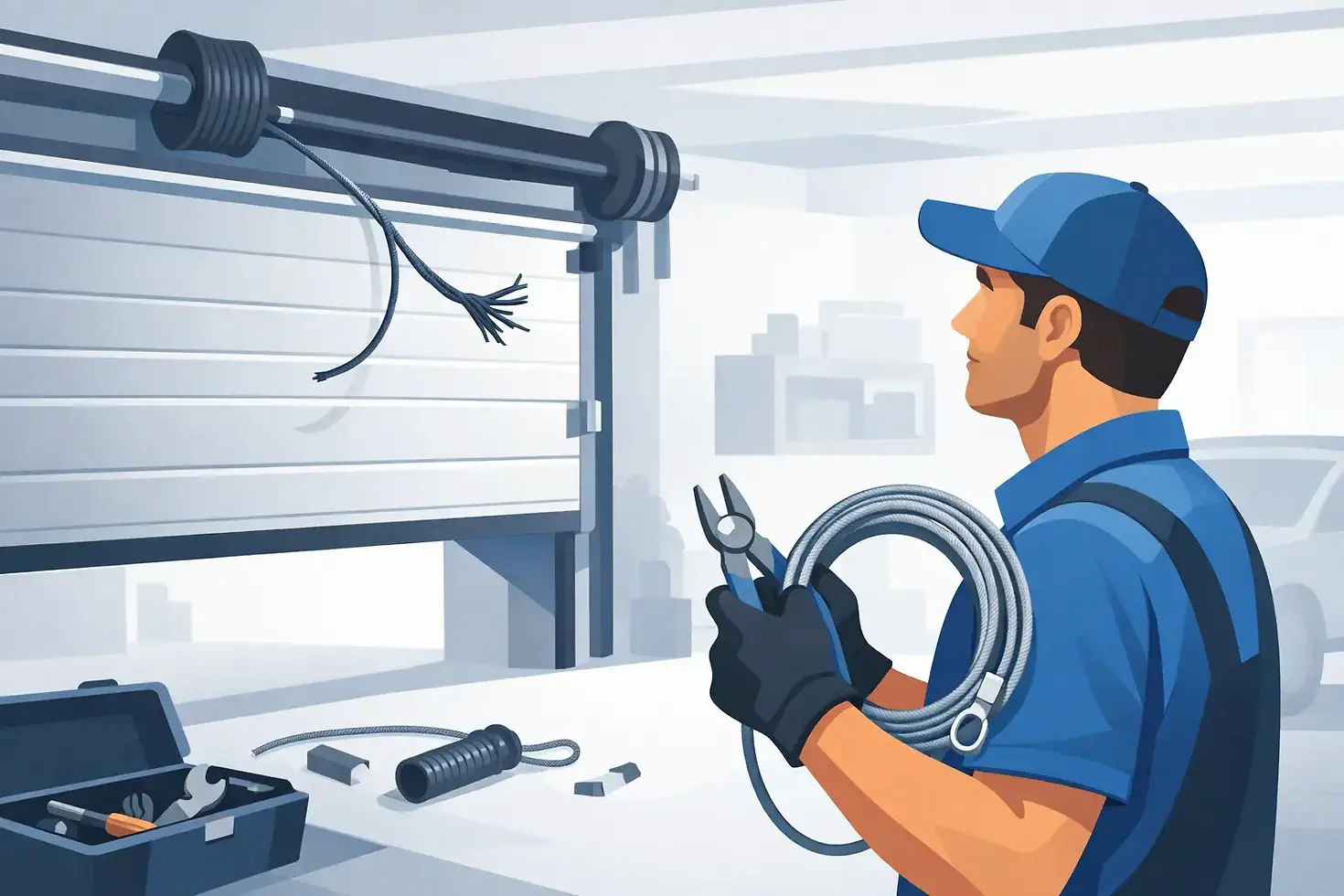
When a garage door cable snaps, the problem gets serious fast. A door that looked fine yesterday can hang crooked, jam halfway, or slam shut without warning. Snapped garage cable replacement is not a cosmetic fix - it is a safety repair, and waiting usually makes the damage worse.
Most homeowners notice the issue when the door starts lifting unevenly or one side drops lower than the other. In some cases, the opener strains, the rollers pull against the track, or the whole system freezes in place. If that happens, stop using the door. Forcing it open or closed can damage the track, bend panels, burn out the opener, or put someone at risk.
What a snapped cable actually means
Garage door cables do the hard work of helping control the door's weight. They work with the spring system, whether that is a torsion setup or an extension spring setup, to raise and lower the door in a controlled way. When a cable breaks, that balance is gone.
A lot of people assume the opener is doing most of the lifting. It is not. The opener guides the motion, but the springs and cables handle the heavy load. That is why a snapped cable can turn a working door into a dead weight almost instantly.
If only one cable has failed, the other side may still be under tension. That creates an uneven pull that can twist the door, pull rollers out of the track, or put extra stress on brackets and drums. In plain terms, one broken cable can become a much bigger repair if the system keeps moving.
Common signs you need snapped garage cable replacement
Sometimes the break is obvious. You may see a loose cable hanging from the side of the door or wrapped around a drum. Other times the signs are less direct, especially if the door stopped mid-cycle.
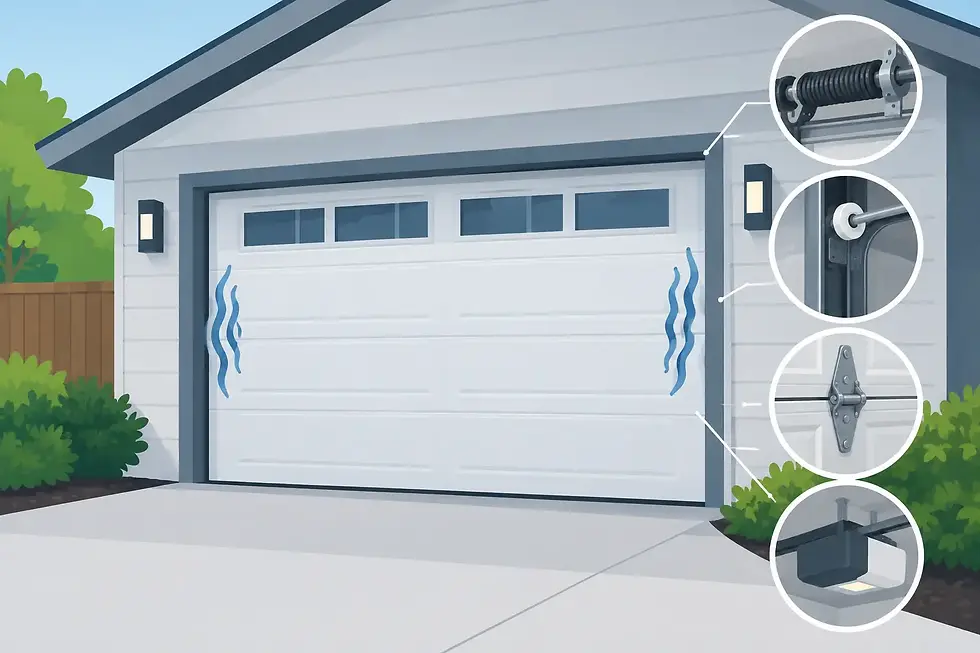
A crooked door is one of the biggest red flags. If one side sits lower than the other, or the bottom seal no longer touches the floor evenly, cable failure is a likely cause. You may also hear a loud bang when the cable snaps, though that sound is sometimes confused with a broken spring.
Other warning signs include a door that jerks while moving, rollers that look stressed or tilted, a door that gets stuck halfway, or an opener that sounds like it is fighting the load. If the cable has visible fraying before it snaps, that is an early chance to fix the problem before the door becomes unsafe.
Why garage door cables snap
Cables wear out for a few predictable reasons. Age is the most common. Steel cables carry heavy, repeated loads, and over time the strands begin to fray. Rust speeds that up, especially in garages with moisture issues or poor ventilation.
Poor alignment can also shorten cable life. If the door is already off balance, if the tracks are out of alignment, or if a drum is worn, the cable may wind unevenly and take on extra strain. In other cases, a broken spring is the real starting point. When the spring fails, the cable can lose tension, jump the drum, or snap under the sudden shift in load.
Impact damage matters too. If a car bumps the door, if the tracks get hit, or if the bottom bracket gets stressed, the cable may no longer travel cleanly. Commercial doors and heavily used residential doors tend to wear cables faster simply because they cycle more often.
What to do right after a cable snaps
The safest move is simple - stop operating the door. Do not keep hitting the wall button. Do not pull the emergency release and try to muscle the door by hand unless a trained technician has already secured the system. A garage door can weigh hundreds of pounds, and once the cables or springs are compromised, that weight is no longer controlled the way it should be.
Keep people clear of the opening, especially kids and pets. If the door is stuck open and the building is exposed, that changes the urgency, but it does not make the repair safer for a DIY attempt. In that situation, the right next step is emergency service from a local company that handles cable and spring systems every day.
For homeowners and property managers in the St. Louis area, response time matters because a disabled garage door affects security, vehicle access, and daily routine all at once. The longer a crooked or hanging door sits, the more likely it is to shift further and create additional damage.
Why snapped garage cable replacement is not a DIY job
This is where a lot of online advice goes sideways. Replacing a garage door cable is not like swapping out weatherstripping or tightening a hinge. The cable is part of a tensioned system, and that system can cause serious injury if it is handled the wrong way.
The specific risk depends on the door design. Torsion spring systems store a large amount of force on a shaft above the door. Extension spring systems stretch along the horizontal track and create their own hazards. In either case, the cable cannot be treated as a stand-alone part. It has to be repaired in relation to spring tension, drum alignment, track condition, and door balance.
There is also the issue of diagnosis. Sometimes the cable is the only failed part. Sometimes it snapped because the spring broke, the drum cracked, the bearing seized, or the door went off track first. Replacing the cable without correcting the root cause usually leads to another failure.
What professional cable replacement should include
A proper repair is more than installing a new cable and leaving. The technician should inspect the full lifting system, not just the visible break. That means checking both cables, springs, drums, bearings, rollers, brackets, and track alignment.
In many cases, both cables should be replaced at the same time. If one snapped from wear, the other is often close behind. Replacing only the broken side can save a little money in the moment, but it often leads to another service call sooner than expected. The right choice depends on the age and condition of the system, but a good technician should explain that clearly instead of pushing a sale.
The door should also be tested for balance after the repair. If it is still heavy, jerky, or uneven, the cable was not the whole problem. Good service means fixing the actual issue, not just making the door move for the next few days.
That is one reason local owner-operated companies tend to stand out. The job gets handled by people who repair doors every day, not salesmen working a script. If a company offers same-day service, free on-site estimates, and a straightforward guarantee like if we can't fix it you don't pay, that usually tells you they are focused on getting the repair right and getting your day back on track.
Repair or replace other parts too?
It depends on what failed and how old the door system is. If the cable snapped because it simply reached the end of its life, a cable replacement may be all that is needed. If the spring is worn, the drums are grooved, or the rollers and tracks are already struggling, replacing only the cable may be a short-term fix.
This is especially true on older doors that have seen years of daily use. A fair service call should not automatically turn into a full system overhaul, but it should come with honest advice. Sometimes a targeted repair is the smart move. Sometimes replacing a few connected wear parts saves money compared to repeated breakdowns.
For commercial properties, downtime can be even more expensive than the repair itself. A loading area, service bay, or storage entrance with a disabled overhead door can disrupt operations fast. In those settings, the best repair choice often comes down to reliability and speed, not just the lowest immediate price.
How to reduce the chances of another cable failure
Cables do not last forever, but they usually show signs before they break. Fraying, rust, uneven movement, and a door that suddenly sounds rougher than usual are all warnings worth taking seriously. A routine tune-up can catch those issues before they become an emergency.
Lubrication helps some moving parts, but it is not a fix for damaged cables. Neither is adjusting the opener force setting to make the door move again. If the door has become heavy or uneven, that is a mechanical problem, not an opener programming issue.
A simple inspection by a qualified garage door technician can extend the life of the whole system. That is especially useful if your door gets used multiple times a day or if you manage rental or commercial properties where surprise failures create bigger headaches.
When a cable snaps, the real goal is not just getting the door moving again. It is restoring safe operation, proper balance, and confidence that the repair will hold up. If your door is stuck, crooked, or unsafe, getting it checked right away is the fastest way to avoid a much bigger problem tomorrow.


Comments